

2021 is a Holy Year (Xacobeo). That is, the Compostela Holy Year, when 25 July, Saint James’ Day, falls on a Sunday. And that would be synonymous with major events in this Galician city and, above all, hordes of pilgrims arriving there. But the coronavirus has changed everything, including this religious celebration, which will try to continue in 2022 when the situation is even better. However, it can also be a good year to undertake this pilgrimage route in a different way—more intimate and personal. Or to complete only an initial section, for example on the Mozarabic Way or other Camino de Santiago routes from Andalusia. For that reason, in this post we will share the key points of this unforgettable experience.
What is the Mozarabic Way?
The evocative name “Mozarabic Way” refers to some of the Camino de Santiago routes from Andalusia, which emerged precisely when the Mozarabs of Al-Andalus, in the Middle Ages, made their Compostela pilgrimage from lands that were then under Muslim rule.
What other routes are there?
Although the term “Mozarabic Way” is sometimes used for all Camino de Santiago routes from Andalusia, in reality we can speak of several different routes:
- The Mozarabic Way itself, which can start mainly in the cities of Almería, Málaga, Granada, Jaén or Córdoba, that is, central and eastern Andalusia.
- The Via Augusta – Silver Route: the section from Cádiz to Seville is known as the Via Augusta, while from Seville to Extremadura it becomes the Silver Route.
- Southern Way: this route starts in Huelva and crosses this province to connect with the Silver Route in Extremadura.
How it can be organised
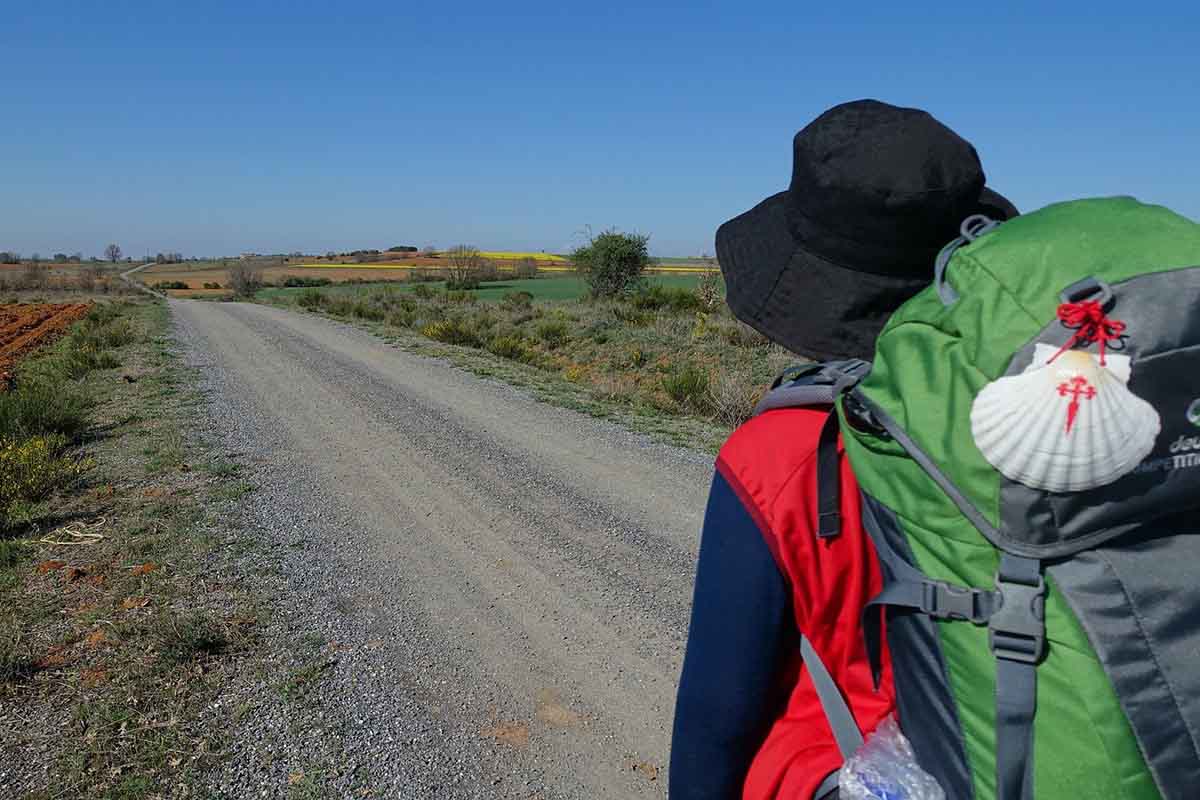
There are many ways to do the Camino de Santiago from Andalusia: on foot or on horseback are the most natural and traditional; by bike is the most athletic option; and by motorbike or private vehicle is the most comfortable.
Naturally, any Camino de Santiago route from Andalusia is very long (in many cases over 1,000 km), as it involves crossing the entire Iberian Peninsula. But at this point it is worth remembering an option that has become popular in recent years: completing the pilgrimage route over a number of years, making use of holidays in different seasons. In this respect, doing the first section through Andalusian lands can therefore be a good option for 2021, especially if the region adopts perimeter restrictions.
However, it should be noted that in the coming months many pilgrim hostels will be closed due to the pandemic, so this year, more than ever, it is advisable to plan every stage in maximum detail. In that regard, there are two aspects to bear in mind to avoid unforeseen events:
- Book accommodation (not necessarily a pilgrim hostel) in advance, for every stage.
- Have a “support vehicle” that can assist pilgrims who need it and carry their heavy backpacks. This vehicle can be a van or minivan.
If the idea of doing the Mozarabic Way or other Camino de Santiago routes from Andalusia appeals to you, and you would like every detail perfectly arranged, please do not hesitate to contact Andalucía Exclusiva. We will help you!