

A few weeks ago, we dedicated a post to the main Jewish quarters of Andalusia: those of Córdoba, Lucena, and Jaén, which are part of the network of Spanish Jewish quarters of the Caminos de Sefarad association. However, there were many others, as the Sephardic people were very numerous in the south of the Iberian Peninsula, leaving behind examples of their rich culture that can still be appreciated today. In this post, we show you some examples.
Seville: Santa Cruz and San Bartolomé Quarters
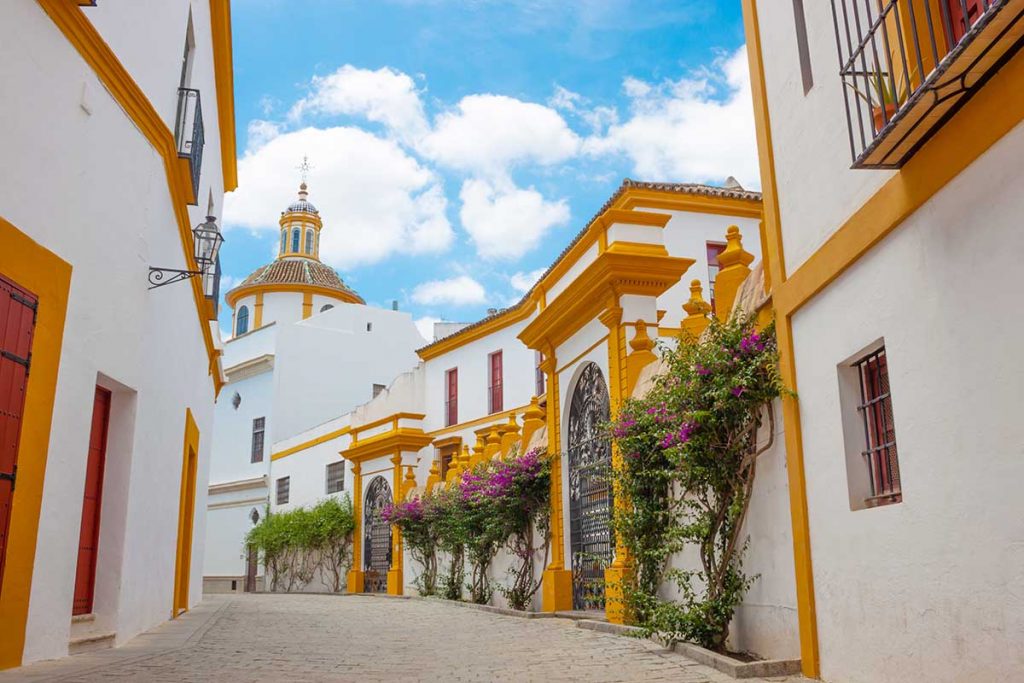
The Andalusian capital once had its Jewish quarter, but it disappeared on a date of particular pain for the Sephardic population: 1391, the year of the great anti-Jewish revolt that left thousands dead… and substantial fines imposed by the king due to the events. Until then, it was located in areas of the current Santa Cruz and San Bartolomé quarters. The only vestige remaining of the Hebrew past in this area is the church of Santa María la Blanca, built over an ancient synagogue. Some medieval elements that may have been used in the old place of worship are preserved.
Granada: El Realejo and its Jewish Legacy
As is easy to imagine, Granada had one of the most important Jewish quarters in Andalusia. Unfortunately, almost only its memory remains. This is El Realejo, which according to some sources gave the city its name: the Muslims, upon their arrival in this area in the 8th century, called it Garnata al-Yahud (meaning Granada of the Jews) due to the presence of a Hebrew community here. While in most Andalusian cities the decline of the Sephardic people occurred in the aforementioned year of 1391, here they remained until 1492, the date it was conquered by the Catholic Monarchs and, immediately thereafter, the Edict of Granada for their expulsion was promulgated. The cistern of Rodrigo del Campo is a hydraulic work dating from that era and preserves the Mudejar charm of that multicultural Nasrid city.
Málaga: The Rise of a Jewish Quarter in Andalusia
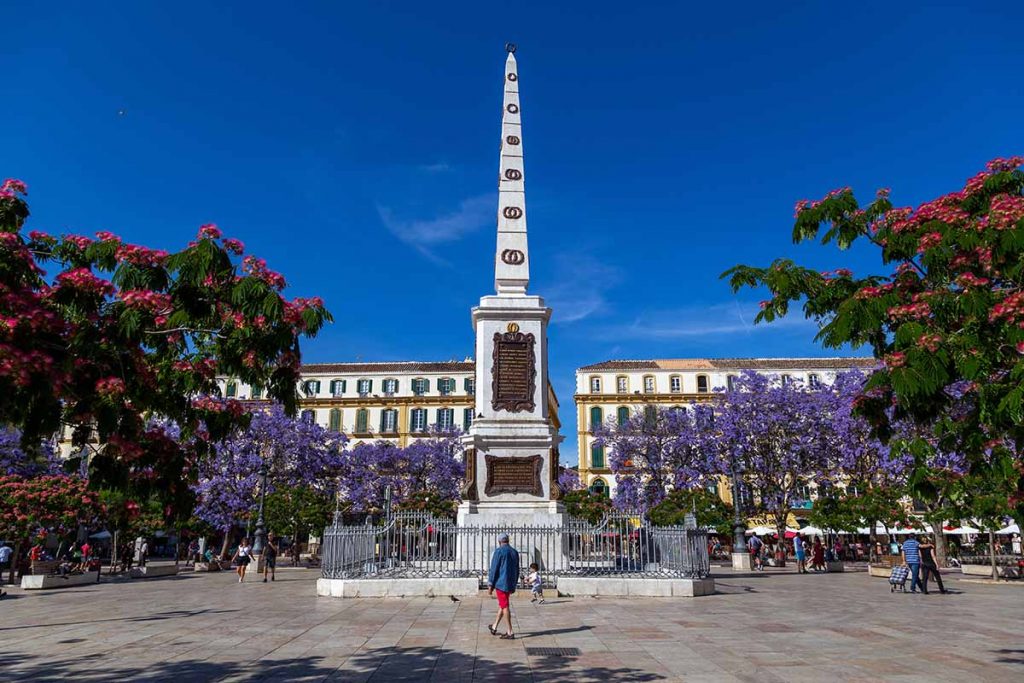
The Jewish quarter of Málaga was one of the longest-lasting in Andalusia, as its belonging to the Kingdom of Granada until 1487 meant that its expulsion was contemporary with that of the Hebrews from that city. It was located in the vicinity of what is now Plaza de la Merced, and the cemetery was situated on the slopes of Gibralfaro Castle. In this area, the Plaza de la Judería was recently created, featuring a visitor reception center and a restored Mudejar tower. However, the international character of the Costa del Sol has fostered the emergence of the Cima (Israelite Community of Málaga), composed of about 1,500 Jews mainly from North Africa, Europe, and America. Additionally, there are synagogues in Marbella and Torremolinos, as well as centers for Talmudic studies in the capital.
Úbeda and its Water Synagogue
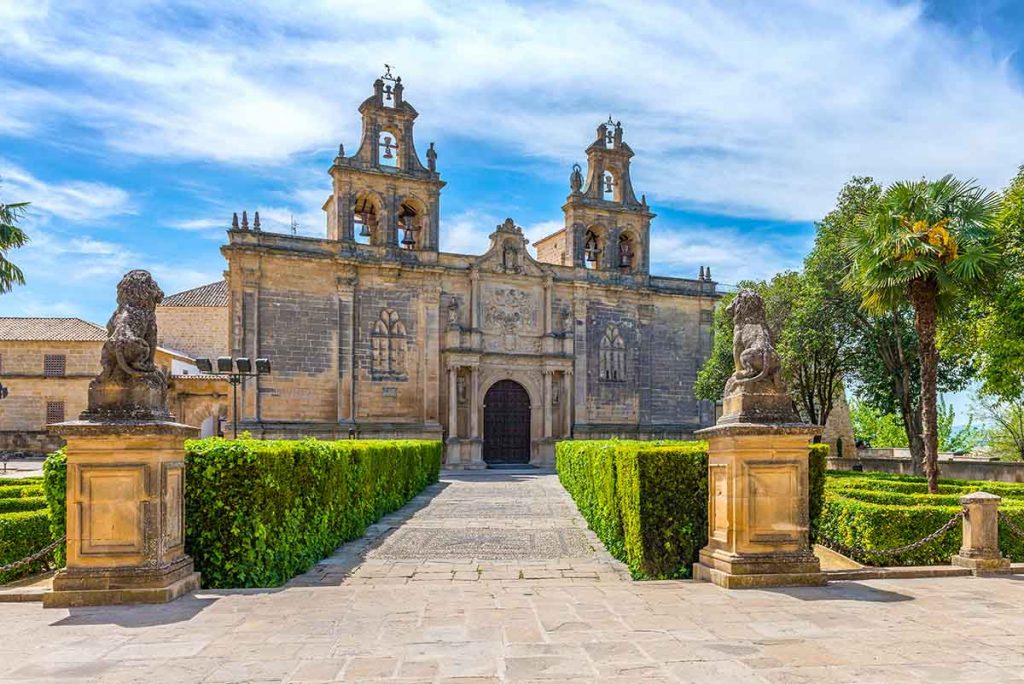
Úbeda was home to another of the many Jewish quarters in Andalusia. Interest in it has been rekindled in recent years by a fascinating discovery after the demolition of some houses: the Water Synagogue. Although it is still a subject of discussion whether it was truly a Hebrew place of worship, the visit presents it as such, mentioning the probable women’s gallery, the main hall, and even a mikveh for ritual purification baths. It was located next to the Alcázar, in the area now occupied by the church of Santa María de los Reales Alcázares.