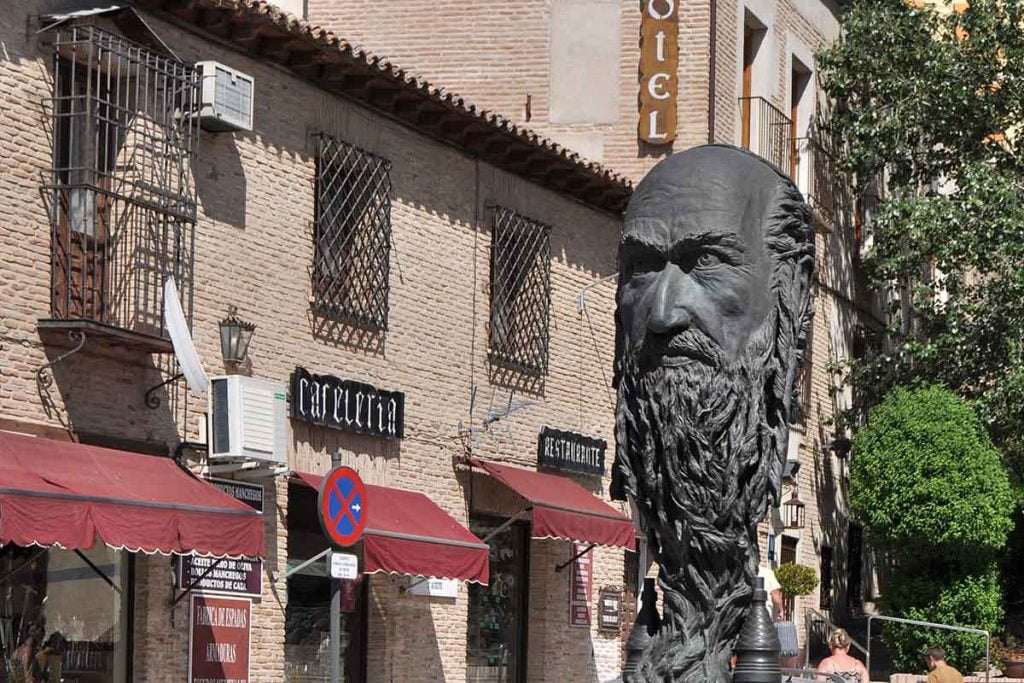


A good way to understand the importance of Sephardic Jews in medieval Spain, and particularly in Al-Andalus, is to discover the relevance of some illustrious figures. In this post, we highlight four who, in one way or another, were connected to what is now Andalusia. If you take a trip with us to this fascinating region, you may see sculptures dedicated to them, so it will be useful to read these brief lines to get to know them a little better.
Maimonides, a Cordovan and Saladin’s Right-Hand Man
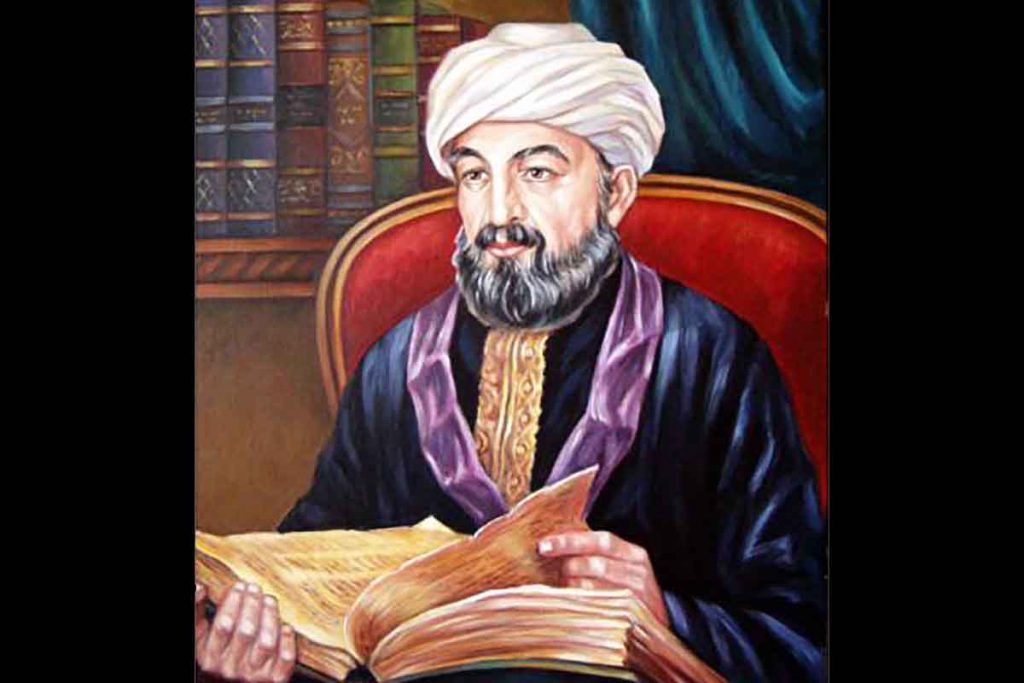
Of all the Sephardic Jews of the past, perhaps the most illustrious is Maimonides, whose real name was Moses ben Maimon. He was born in Cordoba in 1138 and stood out for his profound culture and education, as during his life he served as a physician, astronomer, philosopher, and rabbi, becoming one of the great scholars of the Torah in medieval times. However, his fame would not have been possible had he not left Al-Andalus, during a period of instability under Almohad rule, heading for Morocco and finally, Egypt. There he founded one of the great synagogues of Cairo, that of Rav Moshe (also known as Maimonides’ Synagogue), and was the right-hand man of Saladin, one of Egypt’s most celebrated sultans.
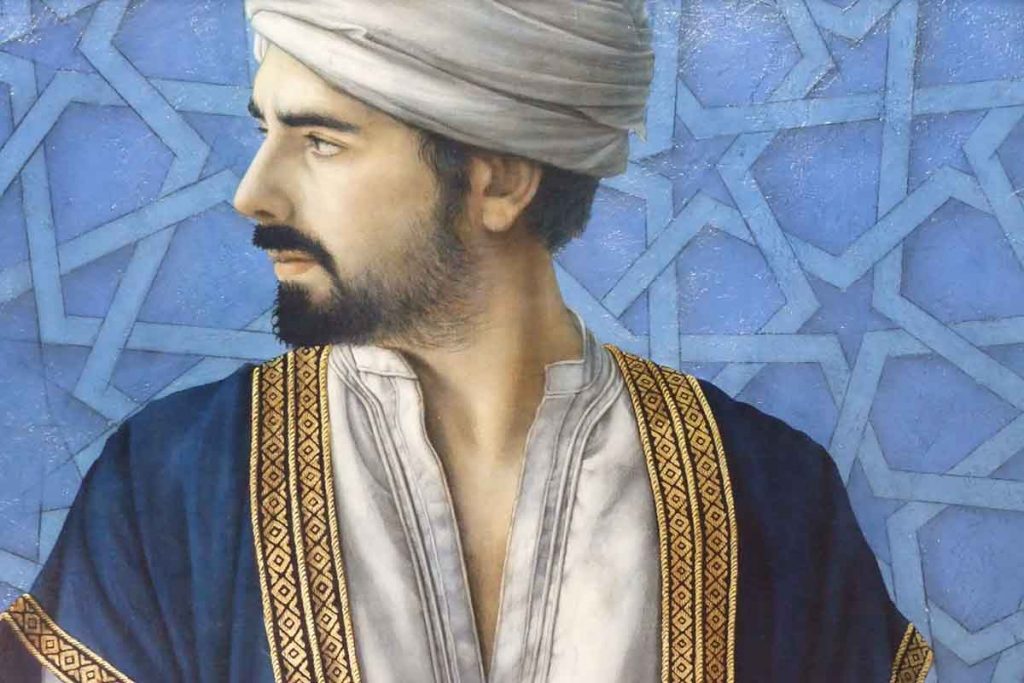
Judah ben Saul ibn Tibbon, Man of Science and Letters
The figure of Judah (or Yehuda) ben Saul ibn Tibbon bears a certain parallelism with that of Maimonides, of whom he was a contemporary. A physician, philosopher, and poet born in Granada, he was a man of deep culture and sensitivity, and had to go into exile in southern France due to the anti-Jewish persecution of the Almohads. His legacy includes works of great literary and linguistic value, among which are several translations. For this reason, he is considered a benchmark for professionals in this field.
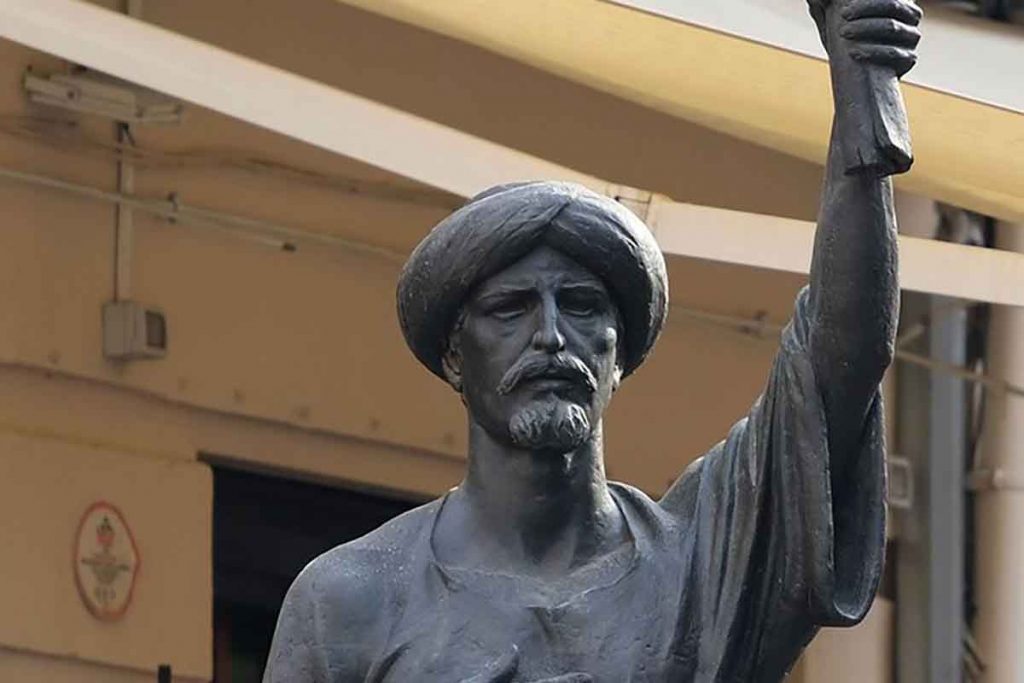
Hasday ibn Shaprut, Patron of the Sephardic Jews
As we mention on the page dedicated to Sephardic Jews in Andalusia, the city of Jaén had an important Jewish quarter. One of the figures born there, who achieved great relevance, was Hasday ibn Shaprut. He served as a physician and diplomat in the 10th century, considered the golden age of this population in Spain, to which he contributed as a determined patron of Sephardic culture.
Samuel Levi: Celebrated Toledan, Unfortunate in Seville
Outside Al-Andalus, there were also celebrated Sephardic Jews, naturally. For example, Samuel Levi, diplomat and treasurer to King Peter I of Castile in the mid-14th century. He was a native of Toledo, where he had a grand residence in the heart of the Jewish quarter: the ‘Palace of the Jew,’ today the El Greco Museum. The same occurred in Seville, a city where he owned a large residence in the Santa Cruz neighborhood, where the old Jewish quarter was located. He spent his last days in Seville, but not precisely for pleasure: he was forcibly transferred after being accused of embezzling royal funds for his properties. For this, he was imprisoned and tortured, losing his life without receiving a pardon from Peter I, who at that time was building the spectacular Mudejar Palace of the Royal Alcázar of Seville.