

If a traveller closes their eyes and tries to picture Andalusia, they will probably imagine it as a great cathedral, an Arab bath, a Jewish synagogue, a Castilian castle, or a Roman amphitheatre, for example. Its towns and civilisations have contributed, in one way or another, to the history and architecture of the region. But did you know that the British people also made their mark in the late 19th and early 20th centuries? We are referring to what is known as the British Heritage or English Heritage in Huelva, both in the city and across the province. Here we share a few key points you should know if you are planning to visit the capital of Andalusia’s westernmost province.
Why there is English Heritage in Huelva
By the end of the 19th century, the British Empire was the world’s leading economic and industrial power, with companies capable of making major investments anywhere on the planet. Huelva was one of those places: the mines in the province—today largely disused, but highly valued at the time for their deposits of copper, zinc, sulphur, and other minerals—attracted British attention. They formed a consortium (Rio Tinto Company Limited) and bought them from the Spanish State. This enabled the development of major infrastructure, which today forms the basis of a distinctive and unique heritage. Below we present some of the most important examples.
Riotinto Pier
It is probably the great icon of English Heritage in Huelva. Its monumental scale makes it one of the finest examples of iron architecture, not only in Spain but also in Europe. It was the end of the railway line that carried the ore from the mines to cargo ships for transport by sea. Today it is a wonderful place for a stroll and a viewpoint over the Odiel River.
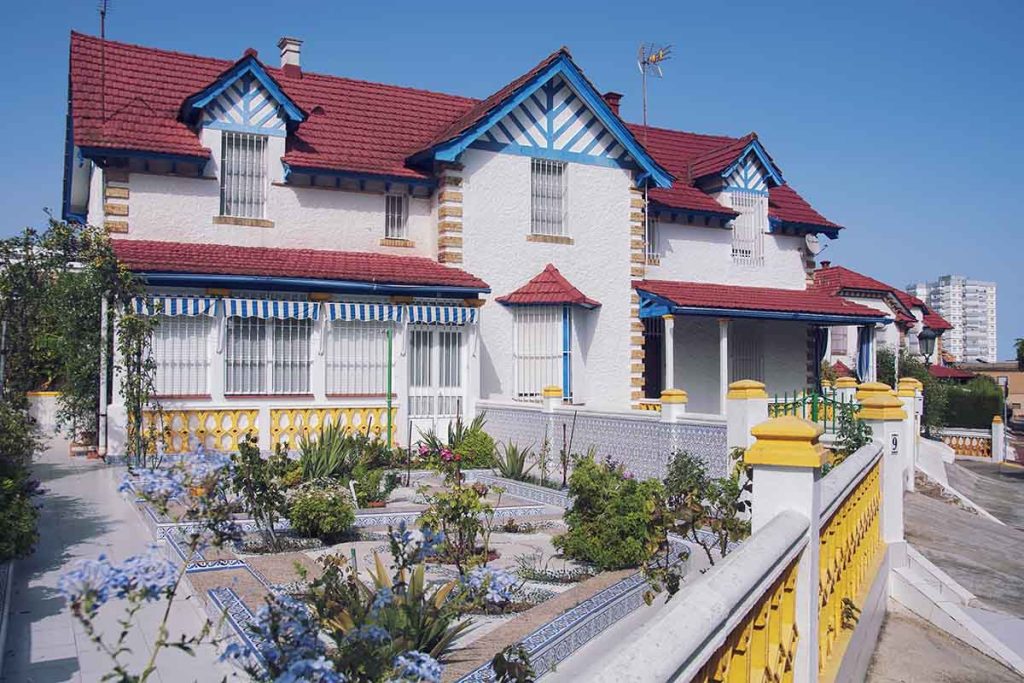
Victoria Neighbourhood
This is a residential neighbourhood built by and for British employees of the mining companies. As a result, its style is typically Victorian, the prevailing style in Great Britain in the late 19th and early 20th centuries.
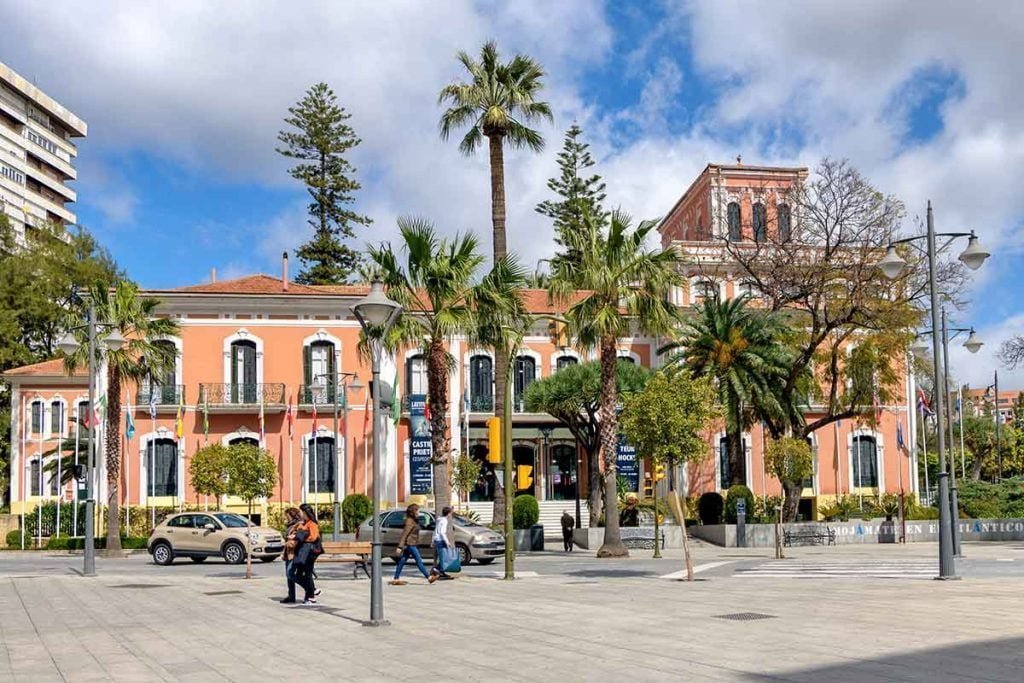
Casa Colón
A hotel built in the late 19th century to offer accommodation befitting the status of the prominent figures and businessmen who visited the city at that time. In 1892 it changed its name in commemoration of the 4th Centenary of the Discovery of America, and today it is a cultural centre with a permanent exhibition room on English Heritage in Huelva.
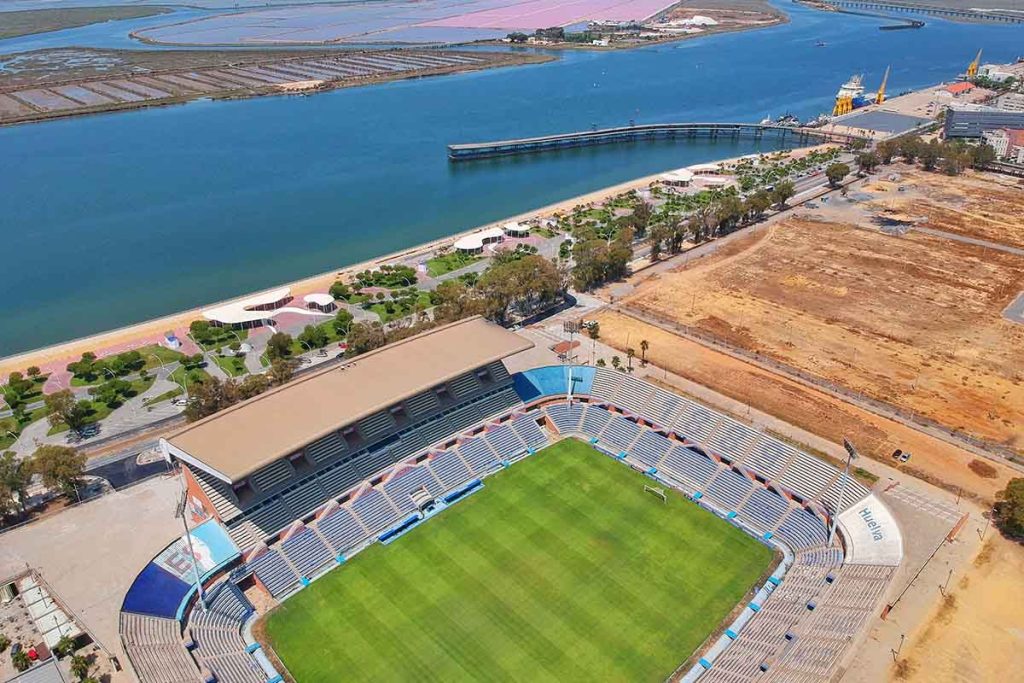
Nuevo Colombino Stadium
One of the milestones that fills the people of Huelva with pride is having the oldest football club in Spain: Real Club Recreativo de Huelva, the “Decano”. And it is no coincidence: it was founded in 1889 by citizens of Anglo-Saxon origin, who introduced this fashionable sport that had emerged shortly before in the British Isles. Its stadium is the Nuevo Colombino: although it is a recent build (2001) and currently does not offer a tour of its facilities, football fans and non-fans alike will enjoy coming here to see it, as it is located right on the Paseo de la Ría.
If you are coming to Huelva and would like to learn more about the English Heritage in Huelva, please do not hesitate to contact Andalucía Exclusiva. We will organise a route through the most interesting sites and take care of any other details of your trip.