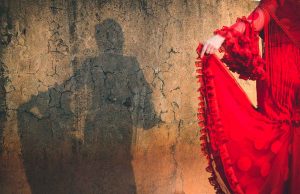


Flamenco is undoubtedly one of the great tourist attractions of southern Spain, as it has been recognized as Intangible Cultural Heritage of Humanity by UNESCO. Numerous shows are organized every day in many cities, something that we make available to you at Andalucía Exclusiva. However, this folkloric expression is not the only one in the region. In fact, there are many other traditional dances in Andalusia, deeply rooted in the traditional culture of its people. For this reason, they also deserve a place on our blog, and we dedicate this post to them. Remember that if you wish to attend a performance of any of them, you only need to contact us. We can organize a session for you and your family or friends!
Verdiales, the great traditional dance of the province of Malaga
Flamenco aside, this is one of the most famous traditional dances of Andalusia. Very popular in the regions of Axarquía, Montes de Málaga, and the Guadalhorce Valley, it is a rural dance in which the performers dance to the sound of a violin, several guitars, castanets, finger cymbals, a bandurria, and a tambourine. Its main celebration is the Day of the Holy Innocents, on December 28th, and it is declared an Asset of Cultural Interest.
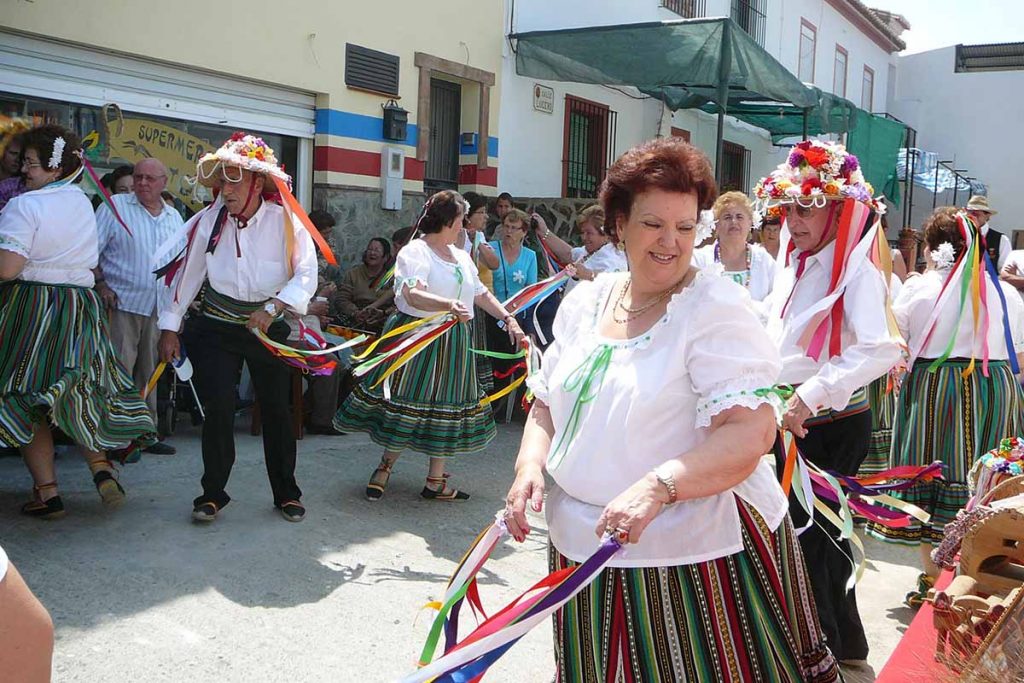
Dance of San Isidro in Fuente-Tojar, Cordoba
In addition to being one of the traditional dances of Andalusia, it is also an Asset of Cultural Interest. It is linked to the Verdiales of Malaga and is one of the most characteristic expressions of the Subbética region in Cordoba. It has a religious character, as it is part of the procession in honor of San Isidro Labrador, the patron saint of farmers, celebrated on May 15th. The colorful hats of the dancers, filled with flowers, are particularly striking.
The Jota Noriega of Añora, in Cordoba
Another example of the richness of the musical folklore of the province of Cordoba is the Jota Noriega of Añora, in the Los Pedroches region. Dancers perform in mixed pairs facing each other, on their tiptoes, with hands raised and snapping their fingers. The most common accompaniment is the guitar and the bandurria. Their movements, attire, and above all, their particular singing style, denote their kinship with the Castilian and Aragonese jotas.
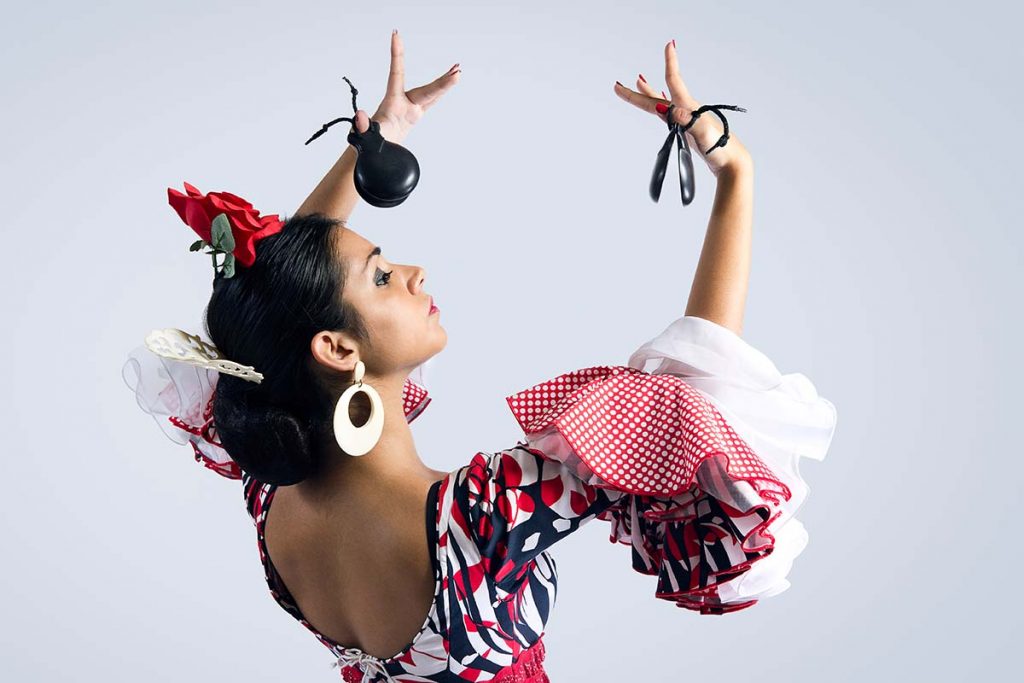
Other traditional Andalusian dances, linked to flamenco
The strong personality of flamenco has exerted a great influence on other traditional dances of Andalusia, giving them a special character. A good example is the Fandango of Huelva, also called ‘aflamencado’ fandango, because this folkloric expression—originally from the Balearic Islands and settled in this province—gradually adopted musical details typical of flamenco. Nevertheless, it has not lost other essential traits, such as the use of castanets and certain movements reminiscent of other typical Spanish dances, like the jota.
Furthermore, reference can be made to sevillanas, probably the most popular dance in the region. While not strictly a flamenco ‘palo’, it is often associated with it due to the traditional costumes, guitar playing, and rhythmic hand-clapping. It can be enjoyed to the fullest at the Rocío festivals and the Seville April Fair.