

We have recently been surprised by a discovery that Sevillians have been waiting for for a long time: a section of the Roman wall has finally appeared. There were numerous hypotheses regarding its layout but never any evidence… until now, when it has come to light during the construction of a hotel in Plaza de San Francisco. This provides the perfect opportunity to share what you can discover on a route through Roman Seville—known as Hispalis at the time—which was one of the primary cities in the south of the Iberian Peninsula.
Columns with two millennia of history
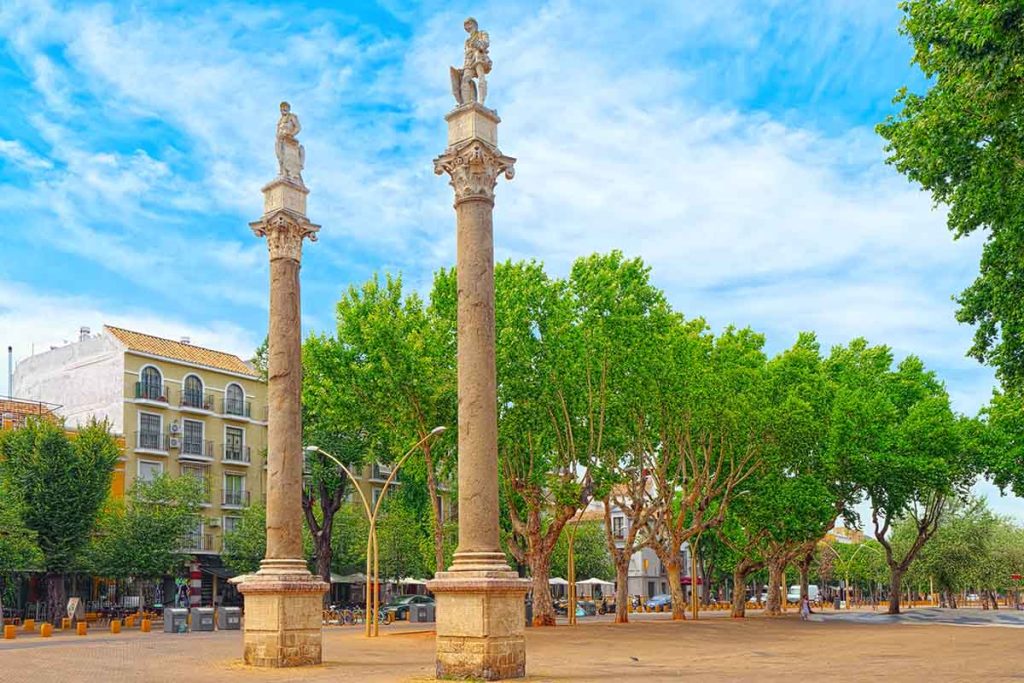
The column is one of the defining elements of Roman architecture. On any route through the Seville of that period, you will encounter several. For example, those in the Alameda de Hércules: although the sculptures at the top are later additions representing Hercules and Julius Caesar (later associated with Charles I and Philip II), the shafts of the columns do originate from an ancient Roman temple located in what is now Calle Mármoles. In the latter street, incidentally, three other columns from the aforementioned temple still remain in their original location.
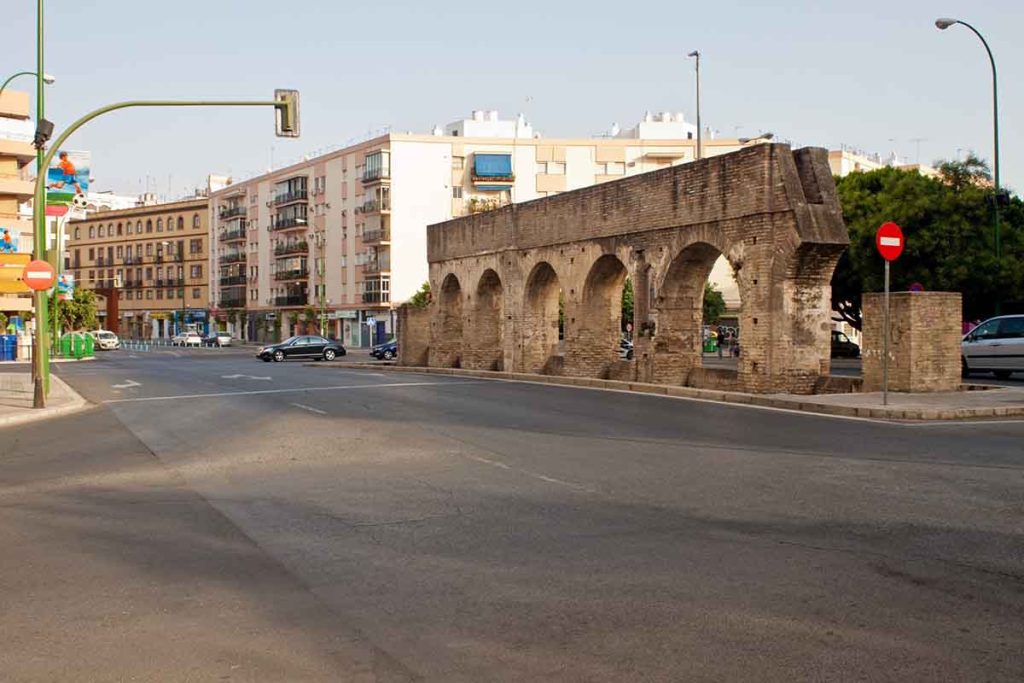
Caños de Carmona, the aqueduct of Roman Seville
The Romans were masters of hydraulic engineering. The Caños de Carmona, located next to the old Puerta de Carmona, are the finest example of the water piping system in Roman Seville. This brick aqueduct once comprised 400 arches and remained in use until the 19th century.
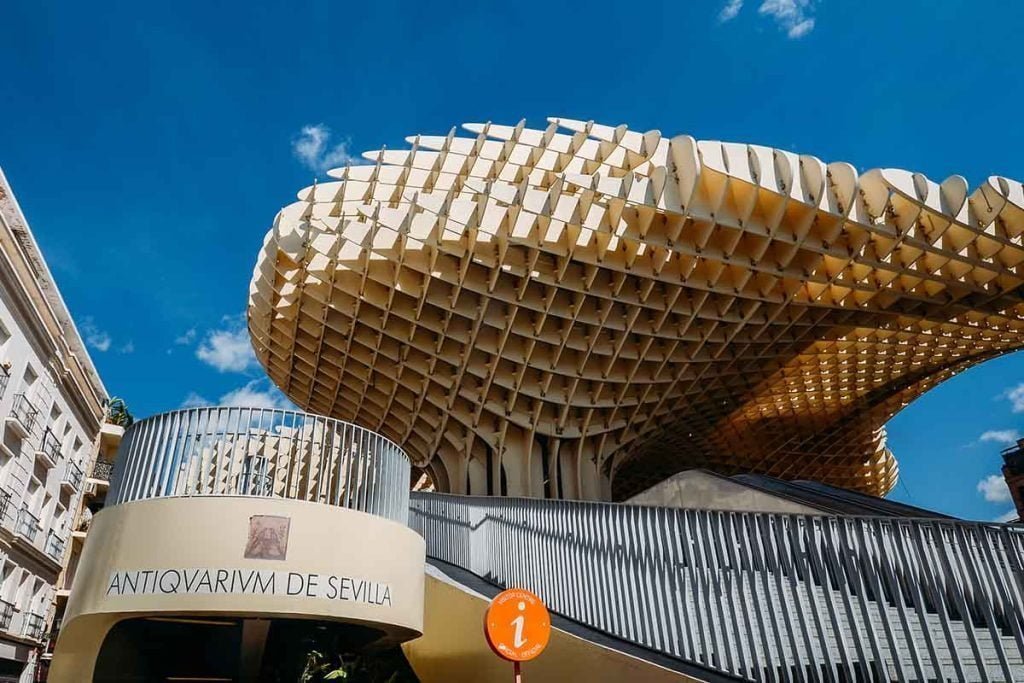
Antiquarium, a museum beneath the Setas
Nothing suggests that inside Metropol Parasol, one of the finest examples of contemporary architecture in Seville, lies one of the best places to learn about what Hispalis was like. Here you will find the Antiquarium, an archaeological museum that contextualizes the remains found in Plaza de la Encarnación, dating between the 1st and 6th centuries.
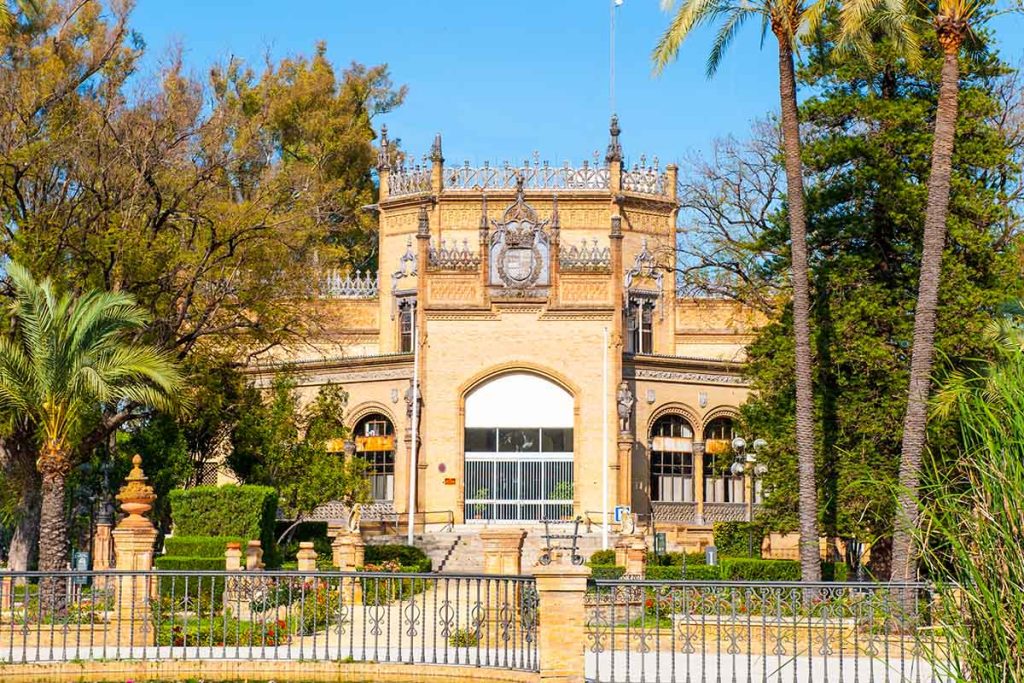
Archaeological Museum of Andalusia
The Archaeological Museum of Andalusia, located in Plaza de América, is also a site that would be part of any route through Roman Seville: it houses fascinating mosaics and sculptures from that period. However, at the time of writing this article, it was closed for renovations. We are certain that after its reopening, the pieces from the Roman period and all others will be more highly valued than ever.
Other sites of Roman Seville
A route through Roman Seville can lead to many other places, some of them in the most unexpected locations. For instance, in several of the city’s palaces, where surprising mosaics from Hispalis are preserved. This is the case with the Palace of the Countess of Lebrija or Casa Salinas. Casa de Pilatos also houses statues of Roman emperors.
And of course, throughout the rest of the province, there are extraordinary archaeological sites from the Roman era. In particular, it is worth highlighting those of Itálica, in present-day Santiponce. But their magnificence warrants an exclusive post dedicated to this magnificent ancient complex.